
 Nutrition
Liquid calories aren’t uniquely fattening, but they are easy to overeat
A calorie in a drink does not bypass energy balance or turn into body fat through a special pathway. If total calorie intake, nutrient intake and activity are matched, 200 calories from juice do not inherently produce more fat than 200 calories from solid carbohydrate. The real problem is compensation: after drinking calories, many people do not eat enough less later to offset what they consumed. A sweetened coffee or bottle of juice can therefore sit on top of a normal meal rather than replacing part of it. Liquid calories are not metabolically magical; they are behaviorally easy to add. That distinction explains why sugary drinks are consistently associated with weight gain without requiring the claim that liquid sugar violates the normal rules of human metabolism.
Appetite is regulated by more than the number of calories entering the stomach. Chewing, oral exposure, stomach expansion, nutrient sensing in the intestine and signals such as cholecystokinin, GLP-1 and peptide YY all contribute to satiation and post-meal fullness. Ghrelin, often called a hunger hormone, also tends to fall after eating, although its response depends on the meal. A solid food usually takes longer to consume and requires more processing before it leaves the stomach. That creates more time for sensory and gastrointestinal signals to develop. Many drinks can be consumed in minutes, especially through a straw or while distracted, allowing several hundred calories to arrive before fullness has much chance to influence behavior.
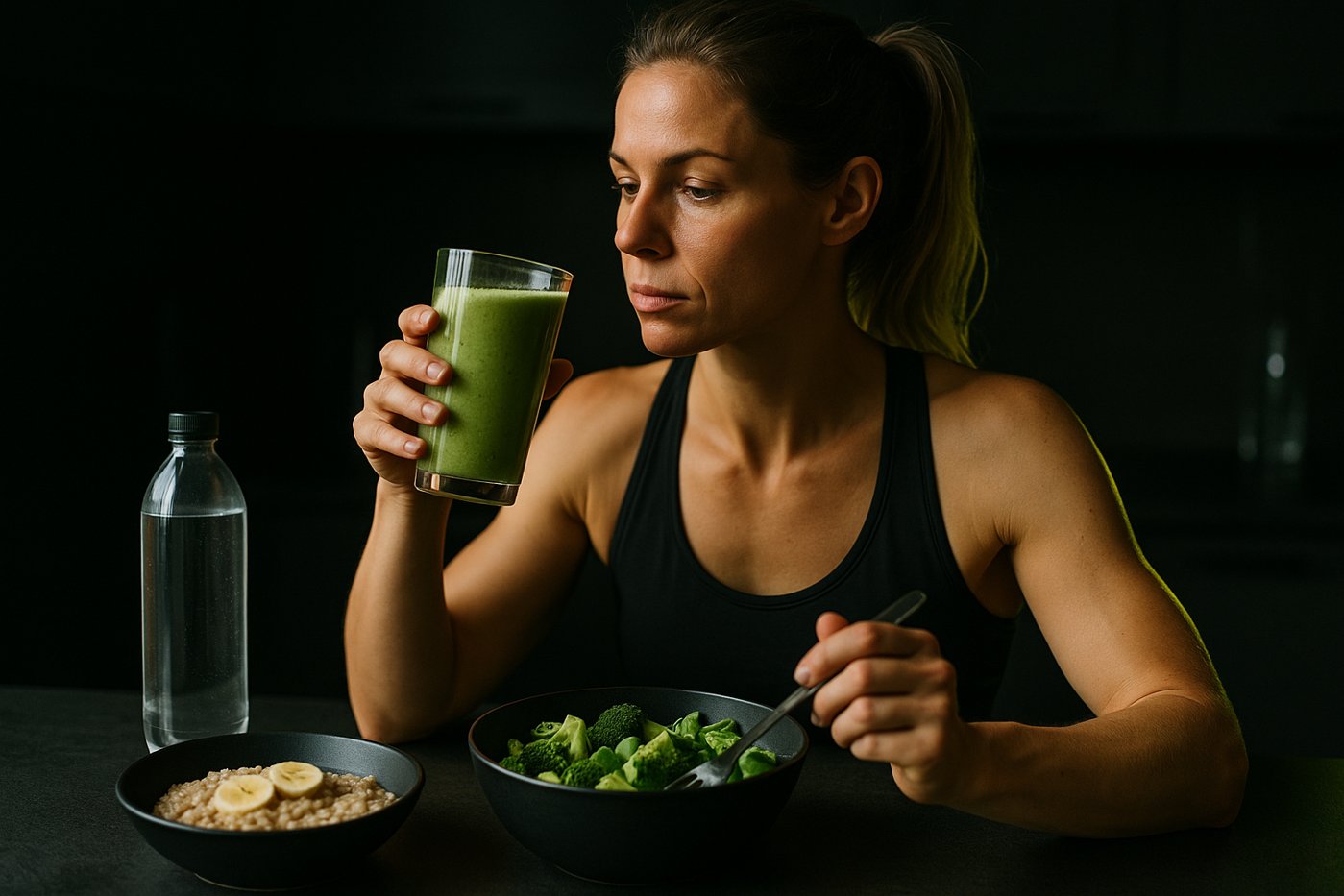
Structure matters as much as ingredients. An intact orange contains water, fiber and cellular material that must be chewed and physically broken down. Orange juice removes much of that structure and concentrates the energy into a form that is faster to consume. Blending retains more fiber than juicing, but it still disrupts the food matrix and eliminates much of the chewing. The resulting smoothie may be nutritious, yet a large smoothie containing fruit, nut butter, oats and milk can easily equal a full meal while still being treated as a drink beside breakfast. This does not make blending harmful. It means that changing texture can change eating speed, portion size and how strongly the calories replace other food.
Common drinks illustrate how quickly energy can accumulate. Exact values vary with brands, recipes and fat content, but a large serving can contain roughly the following amounts:
Water is the obvious zero-calorie option, but the comparison should not be read as a list of good and bad drinks. Milk provides protein, calcium and other nutrients that soda does not. A protein shake may be useful for recovery or for someone struggling to eat enough. Juice supplies micronutrients but lacks the intact structure of whole fruit. The relevant question is not simply whether a drink contains calories; it is whether those calories serve a purpose and whether they are being counted as part of a meal or casually added to one. Two 500-milliliter caloric drinks per day can contribute several hundred calories, enough to alter body weight over time if food intake and expenditure do not adjust.
Sugar-sweetened beverages deserve particular attention because they combine low chewing demand, rapid consumption, low protein and often weak satiety. Frequent intake is linked with higher body weight and greater risk of type 2 diabetes and cardiovascular disease. Some of that relationship reflects overall diet and lifestyle, but controlled trials also show that adding sugary drinks tends to increase calorie intake and weight, while replacing them with non-caloric alternatives can support modest weight loss. The mechanism is not an extraordinary insulin surge that locks fat inside cells. Insulin rises after many mixed meals, including nutritious ones. The more convincing explanation is that a drink delivering sugar and calories often fails to reduce later intake by an equivalent amount, creating a persistent energy surplus.
Not every liquid or semi-liquid food is poorly satiating. Thick soups can be surprisingly filling because of their volume, temperature, eating speed and low energy density. A shake containing substantial protein and fiber will generally control appetite better than soda with the same calories, because protein has strong satiating effects and requires more energy to digest. Yogurt-based drinks, meal replacements and smoothies also vary enormously in viscosity and composition. Even the order can matter: consuming a low-energy soup before a meal can reduce total meal intake, while sipping a calorie-dense drink alongside the meal may increase it. Treating all liquids as identical ignores the physiological importance of protein, fiber, thickness, energy density and consumption rate.
There are also situations in which weak satiety is an advantage. Endurance athletes may need carbohydrate drinks during long sessions because solid food becomes uncomfortable and muscle glycogen is being depleted. People trying to gain weight can use milk or shakes to increase calories without making every meal unmanageably large. After training, a protein shake is a convenient way to reach a daily protein target, although it is not inherently superior to a solid meal. Liquid carbohydrate can also help rapid refueling between closely spaced competitions. Problems arise when a strategy designed for high energy demands is copied by someone doing a short gym session that uses relatively little fuel. A sports drink during an easy 45-minute workout may replace all the calories expended, while water would have handled hydration just as well.
The practical takeaway is to count caloric drinks as food, not hydration. For routine thirst, make water, sparkling water, unsweetened tea or other low-calorie options the default. Choose whole fruit more often than juice, and check what is actually inside coffees and smoothies rather than assuming they are light. Keep milk, protein shakes and sports drinks when they solve a specific nutrition or performance problem, but account for them within the day’s intake. If fat loss has stalled, removing one routinely consumed caloric drink is often easier than shrinking several meals. Liquid calories do not cause fat gain independently of calorie balance; they simply make a surplus easier to create and harder to notice.
More articles
 Beetroot can improve endurance, but it is not an instant performance boost
 Low energy availability can harm performance without weight loss
 Iron deficiency can hurt performance before anemia appears
 Why strength can fall during a calorie deficit before muscle does
 You still need protein on rest days