
Supersets: a real time-saver, or just a way to do less work well
A superset pairs two exercises performed back-to-back with no rest between them, usually to cut total workout time by using the rest period of one muscle group to work another. For non-competing muscle groups — say, a chest press paired with a back row — this works cleanly: neither exercise's performance drops much because they don't share the same fatigued muscles, and you genuinely save time without sacrificing much output.
The trade-off shows up with same-muscle supersets, like pairing two chest exercises back-to-back. Here the second exercise is performed in a pre-fatigued state, which means you'll lift less weight or get fewer clean reps than you would with full rest — sometimes enough to blunt the actual training stimulus on that second movement. It's still useful for a deliberate metabolic-stress finisher, just not a free lunch for pure strength or size work.
The practical rule: superset opposing or unrelated muscle groups when the goal is efficiency, and save same-muscle supersets for when you're specifically chasing a pump or trying to finish a workout faster at the cost of a bit of intensity on the second exercise.
Enjoying this? Come train with us on ForceIndex — plan workouts, track nutrition, and get AI coaching, free to start.
Try ForceIndex freeMore articles
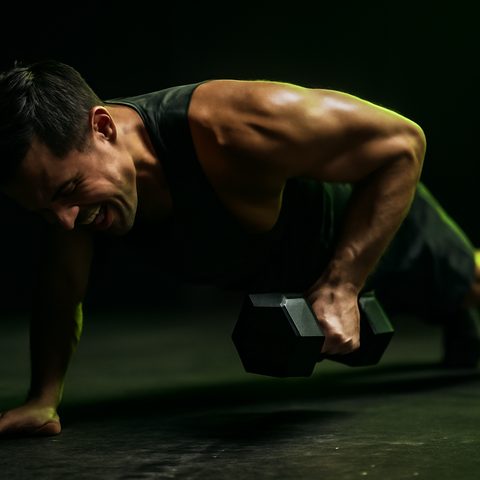 Training to failure isn't always better — here's when it backfires
Lifting heavy weights doesn't make you 'bulky' overnight
Leucine: the amino acid that actually flips the 'build muscle' switch
VO2 max: the cardio metric that matters even if you only lift
Training to failure isn't always better — here's when it backfires
Lifting heavy weights doesn't make you 'bulky' overnight
Leucine: the amino acid that actually flips the 'build muscle' switch
VO2 max: the cardio metric that matters even if you only lift
 How alcohol actually hits muscle growth
 Why an extra hour of sleep beats an extra hour at the gym
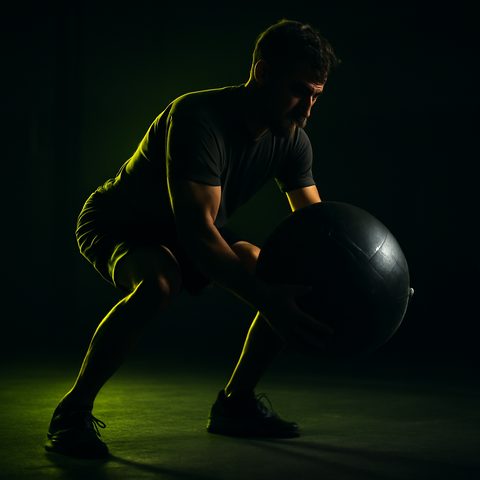 Your warm-up isn't cutting injury risk the way you think
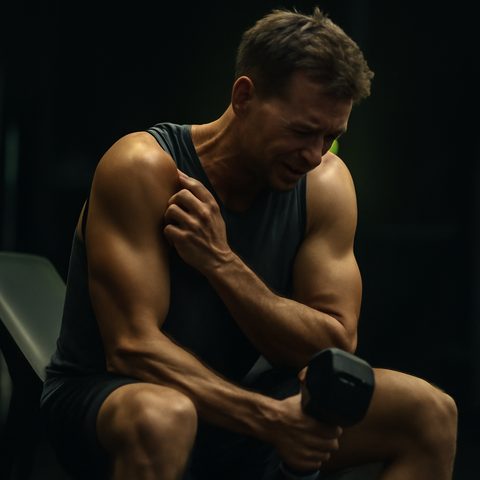 Muscle soreness isn't proof of a good workout