
 Sleep
Sleep
Why an extra hour of sleep beats an extra hour at the gym
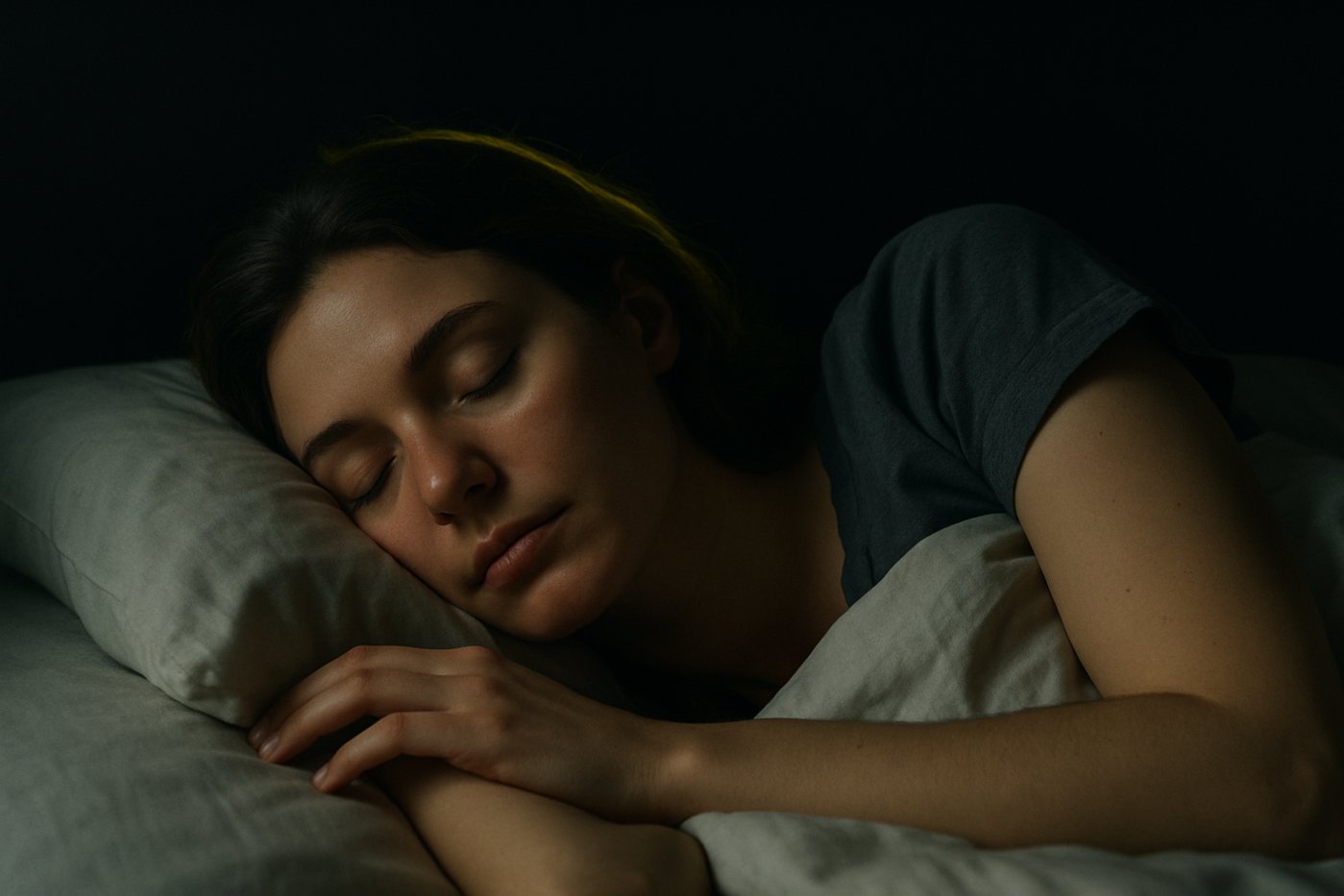
Most of your growth hormone release happens during deep sleep, and it drives recovery and muscle protein synthesis. If you consistently sleep less than 6–7 hours, that phase shrinks the most, and your body simply doesn't get enough time to recover between sessions — even with perfect nutrition and programming.
There's a flip side too: chronic sleep deprivation raises cortisol, the stress hormone, which in excess promotes muscle breakdown and fat storage, especially around the belly. At the same time it disrupts the balance of ghrelin and leptin — the hunger and satiety hormones — which is why cravings for calorie-dense food hit harder after a bad night.
If you're choosing between a late extra workout and an extra hour of sleep, sleep usually pays off more. It doesn't replace training, but sleep is where the results you're training for actually get built.
Enjoying this? Come train with us on ForceIndex — plan workouts, track nutrition, and get AI coaching, free to start.
Try ForceIndex freeMore articles
 Why appetite is impossible to control after a bad night's sleep
 'Spot reduction' doesn't work — here's why
 Training to failure isn't always better — here's when it backfires
 How caffeine actually improves strength performance
 Muscle memory: why getting back in shape is easier than the first time
 How alcohol actually hits muscle growth
 Not all sleep is equally useful for recovery
 Muscle soreness isn't proof of a good workout