
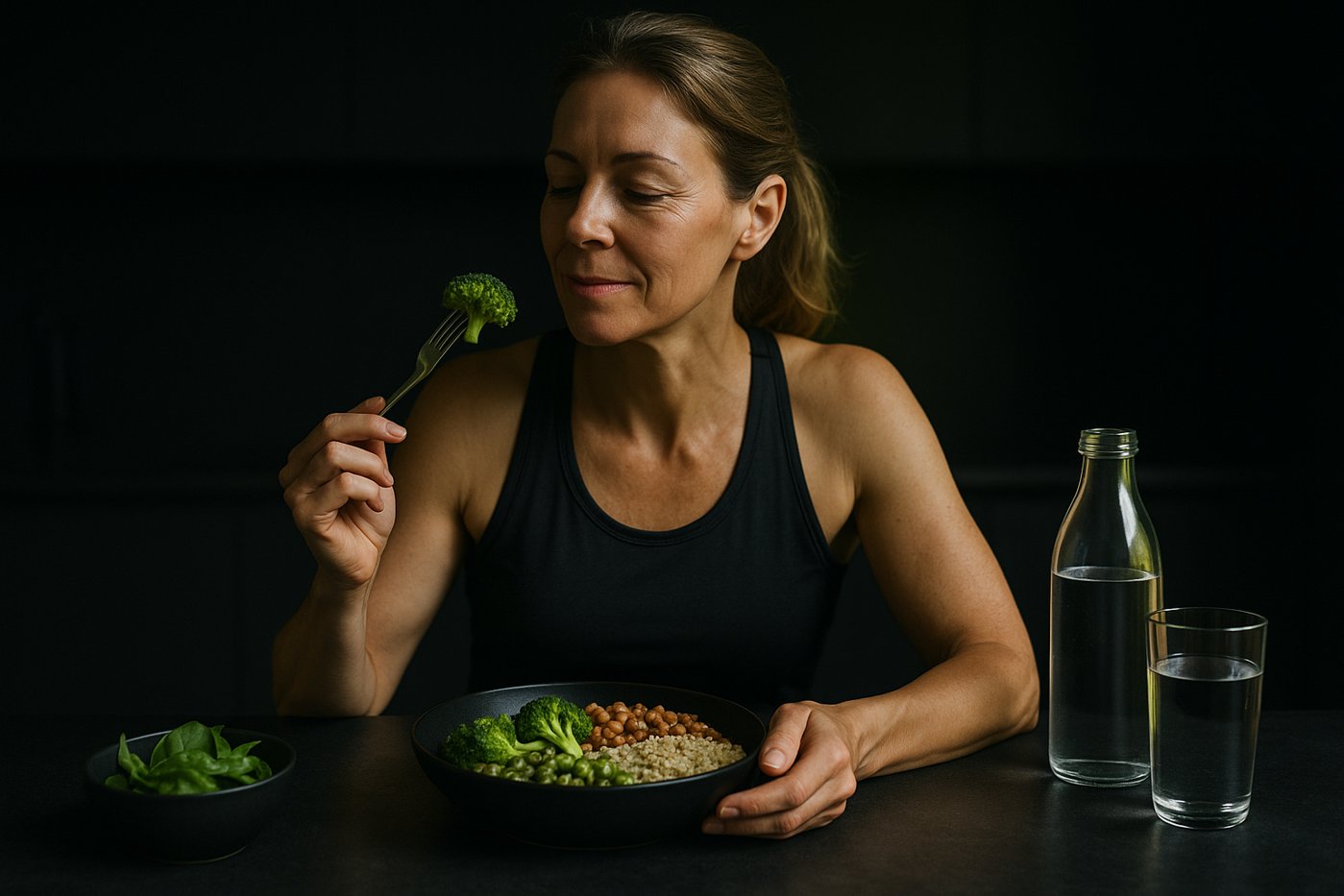
 Nutrition
You don't need to combine plant proteins at every meal
The idea that every plant-based meal must contain “complementary proteins” is outdated. Rice is often paired with beans because grains tend to be lower in lysine while legumes tend to be lower in methionine. That combination is nutritionally useful, but the two foods do not have to be eaten in the same bowl, or even at the same meal. Your digestive system does not reset its amino acid inventory every time you leave the table. For a healthy person eating enough calories and a reasonably varied diet, amino acids from breakfast, lunch, dinner, and snacks contribute to a continually changing pool that the body can use to build and repair proteins.
Dietary protein is digested into amino acids and small peptides, which are absorbed through the intestine and released into circulation. Some are used by the gut and liver, while others enter the bloodstream and become available to muscle and other tissues. The body also constantly breaks down and rebuilds its own proteins, recycling amino acids in the process. There is no large dedicated storage tank for protein comparable to glycogen storage for carbohydrate or adipose tissue for fat, but there is still an available amino acid pool. This is why strict protein combining at each meal is biologically unnecessary: amino acids from different foods can overlap in availability, and normal protein turnover helps buffer short-term differences in a meal's amino acid profile.
Calling most plant foods “incomplete proteins” also creates the wrong impression. Nearly all contain all nine essential amino acids; they simply contain them in different proportions. Wheat protein is relatively low in lysine, for example, while many legumes supply plenty of lysine but proportionally less methionine. Soy, quinoa, buckwheat, and some other plant foods have comparatively balanced essential amino acid profiles. Protein quality is a spectrum determined by amino acid composition, digestibility, food processing, and the needs of the person eating it. A food does not become useless because one essential amino acid is present at a lower proportion. Its amino acids still count, particularly when the rest of the day's diet supplies what is relatively limited.
The more practical issue is often total protein intake, not whether two specific foods appear together. Plant foods can make substantial contributions, but portion size matters. A spoonful of hummus or a few nuts should not be treated as the protein anchor of a meal simply because they contain some protein. Legumes, tofu, tempeh, seitan, textured vegetable protein, soy milk, and plant-based protein powders provide more meaningful doses. Approximate values vary by brand and preparation, but typical servings show how quickly a plant-based meal can move from protein-light to protein-rich.
Enjoying this? Come train with us on ForceIndex — plan workouts, track nutrition, and get AI coaching, free to start.
Try ForceIndex freeMuscle protein synthesis adds another layer. Resistance training sensitizes muscle to amino acids, and a meal containing enough essential amino acids—especially leucine—provides a strong signal and the raw material for repair. Many animal proteins deliver a high concentration of leucine and essential amino acids in a relatively small serving. Some plant proteins contain less leucine per gram, so a slightly larger total dose may be useful. That does not mean plant protein fails to build muscle. Controlled research generally shows that when total protein and essential amino acid delivery are adequate, well-planned plant-based diets can support hypertrophy and strength gains. Soy and blended plant protein powders are particularly convenient because they can provide a concentrated dose without requiring an unusually large volume of food.
Digestibility can also be somewhat lower for certain minimally processed plant proteins because intact cell walls, fiber, and compounds such as phytates reduce access to protein or interfere modestly with absorption. Cooking, soaking, fermenting, sprouting, milling, and protein isolation can improve digestibility. This is one reason athletes eating exclusively plant-based diets may benefit from aiming toward the higher end of evidence-based protein ranges. For someone lifting regularly, roughly 1.6 grams of protein per kilogram of body weight per day is a strong general target, while an intake closer to 1.8–2.0 grams per kilogram can provide extra margin when most protein comes from less digestible sources or during a calorie deficit. Those are planning ranges, not thresholds where everything below suddenly stops working.
Variety still matters, just over a broader time frame. Eating only bread, only lentils, or only one protein powder would create avoidable nutritional limitations. Rotating among legumes, soy foods, grains, nuts, seeds, and vegetables makes the overall amino acid pattern more robust and also improves intake of fiber, iron, zinc, calcium, iodine, and other nutrients that affect health and training. Vitamin B12 requires particular attention on a fully vegan diet because reliable unfortified plant sources are not available. Iron and zinc may also need deliberate food selection, while calcium and iodine often depend on fortified foods or appropriate supplementation. A diet can contain enough protein on paper yet still be poorly designed for recovery if total energy or key micronutrients are consistently inadequate.
The practical takeaway is simple: stop trying to solve amino acid chemistry at every meal. Build three or four daily eating occasions around a substantial protein source, distribute them reasonably across the day, and vary those sources over the week. A lentil lunch does not need rice beside it if breakfast or dinner supplies grains, seeds, soy, or another complementary source. If muscle growth is the goal, make sure meals contain an actual protein dose rather than a token amount, and consider a larger serving or a concentrated plant protein around training. Total daily protein, adequate calories, progressive resistance training, and dietary variety matter far more than forcing beans and rice onto the same plate.
Sources
- Meals Containing Equivalent Total Protein from Foods Providing Complete, Complementary, or Incomplete Essential Amino Acid Profiles do not Differentially Affect 24-h Skeletal Muscle Protein Synthesis in Healthy, Middle-Aged Women
- Dietary Protein and Amino Acids in Vegetarian Diets—A Review
- A systematic review, meta-analysis and meta-regression of the effect of protein supplementation on resistance training-induced gains in muscle mass and strength in healthy adults
- Effect of Fractionation and Processing Conditions on the Digestibility of Plant Proteins as Food Ingredients
More articles
 More dietary fat is not a testosterone shortcut
 Muscle soreness isn't proof of a good workout
 The 8–12 rep range isn't the only way to build muscle
 Muscle memory: why getting back in shape is easier than the first time
 How alcohol actually hits muscle growth
 Why an extra hour of sleep beats an extra hour at the gym
 How caffeine actually improves strength performance
 'Spot reduction' doesn't work — here's why