
Pin Press
The pin press starts each rep from a dead stop with the bar resting on safety pins set at a specific height inside a power rack, rather than lowering it from an unracked position, which removes the stretch-reflex bounce and forces the press to start from complete stillness. Set the pins to the height you want to train (often just above the chest for lockout strength), press the bar up from the pins to full extension, then lower it back to rest fully on the pins before the next rep. Because there's no eccentric phase feeding into the concentric, it builds raw pressing strength at a specific joint angle more directly than a normal bench press.
- Set the safety pins in a power rack to the height you want to train
- Grip the bar resting on the pins and press it up to full extension
- Lower it back to rest fully on the pins, pausing completely before the next rep
- Not letting the bar fully settle on the pins between reps, sneaking in some rebound
- Setting the pins at a height so low that it duplicates a regular bench press instead of targeting a specific sticking point
- High pin press, set just below lockout, for training the top portion of the lift specifically
- Low pin press, set near chest height, for building strength off the chest
Enjoying this? Come train with us on ForceIndex — plan workouts, track nutrition, and get AI coaching, free to start.
Try ForceIndex freeWhat muscles does Pin Press work?
What equipment do I need for Pin Press?
Where can I do Pin Press?
Related exercises
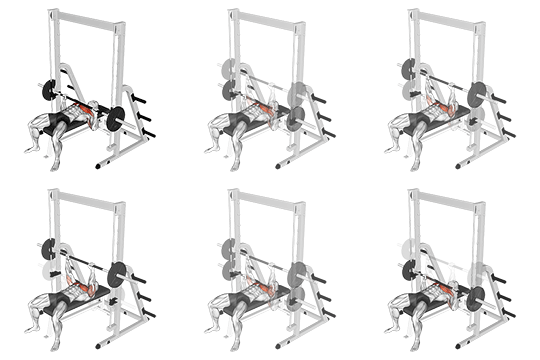
Want more like this? Sign up free to unlock our full library of articles and exercises.
Sign up free